Wooden Puzzle Bliss
- 4.6
- Rating
- 1.00M
- Installs
- Free
- Price
 Analysis by App-foxy
Wooden Puzzle Bliss is the kind of puzzle game I can open without preparing myself for a long session. Its basic idea is easy to understand: place and match wooden-looking blocks while keeping the grid from filling completely. What makes it worth a closer look is not a complicated story or a large collection of systems, but the way its visual theme, quiet presentation, and steady decision-making fit together.
I reviewed it as a mobile puzzle game from Gimica GmbH, and my first impression was pleasantly focused. The game does not need a dramatic introduction to explain itself. The board is the main event, the pieces are immediately readable, and the wooden style gives the experience a warmer personality than a plain geometric puzzle. It is free to play, rated for Everyone, and available for devices running Android 7.0 or later. That makes it approachable for casual players, although the in-app purchases, ranging from $0.99 to $4.49 per item, are worth keeping in mind before settling into longer play.
The game has reached over 1 million installs, with a 4.6 average from around 112 thousand ratings and roughly 9.1 thousand written reviews. Those figures suggest that its straightforward format has found a substantial audience, but they do not replace the more useful question: does the game suit the way you like to play? In my experience, it is strongest when I want a calm board challenge that rewards planning without demanding a timer, a narrative commitment, or a complicated tutorial.
You May Also Like

 Blood Strike: 2.5 Anniversary
Blood Strike’s Loadouts Turn Every Drop Into a Tactical Gamble
A close look at Blood Strike’s custom loadouts: how fast access to signature weapons reshapes its battle royale rhythm, rewards preparation, and narrows the gap between fights.

 Pandora - Music & Podcasts
Pandora’s Music Is Easy to Start, but Harder to Recover
Pandora’s strength is its low-effort path from a seed to a station. Its weak spot is how much confidence it asks you to place in connection, setup, and quiet recovery.

 8 Ball Pool
 Is Built on Rivalries, Rematches, and Routine
A close look at the rivalries, rematches, shared routines, and unanswered safety questions that turn a quick pool match into a persistent mobile community.

 Samsung Music
’s Quiet Strength Is Playing What You Already Own
Its reach comes less from spectacle than from dependable access to a personal library. That simplicity is both the app’s strongest retention engine and its ceiling.

 AccuWeather: Weather Radar
AccuWeather Review: A Quick, Clear Forecast for Everyday Decisions
For everyday plans, the best forecast is the one you can understand quickly. AccuWeather makes rain timing, radar, and local conditions easy to act on, with a few trade-offs.

 Hill Climb Racing
Why Hill Climb Racing Still Turns Crashes Into One More Run
A tiny car, a bumpy hill and one more upgrade: Hill Climb Racing keeps resurfacing because its simple chaos makes every near-miss feel personal.
More From Our News Desk



A warm first impression built around the board
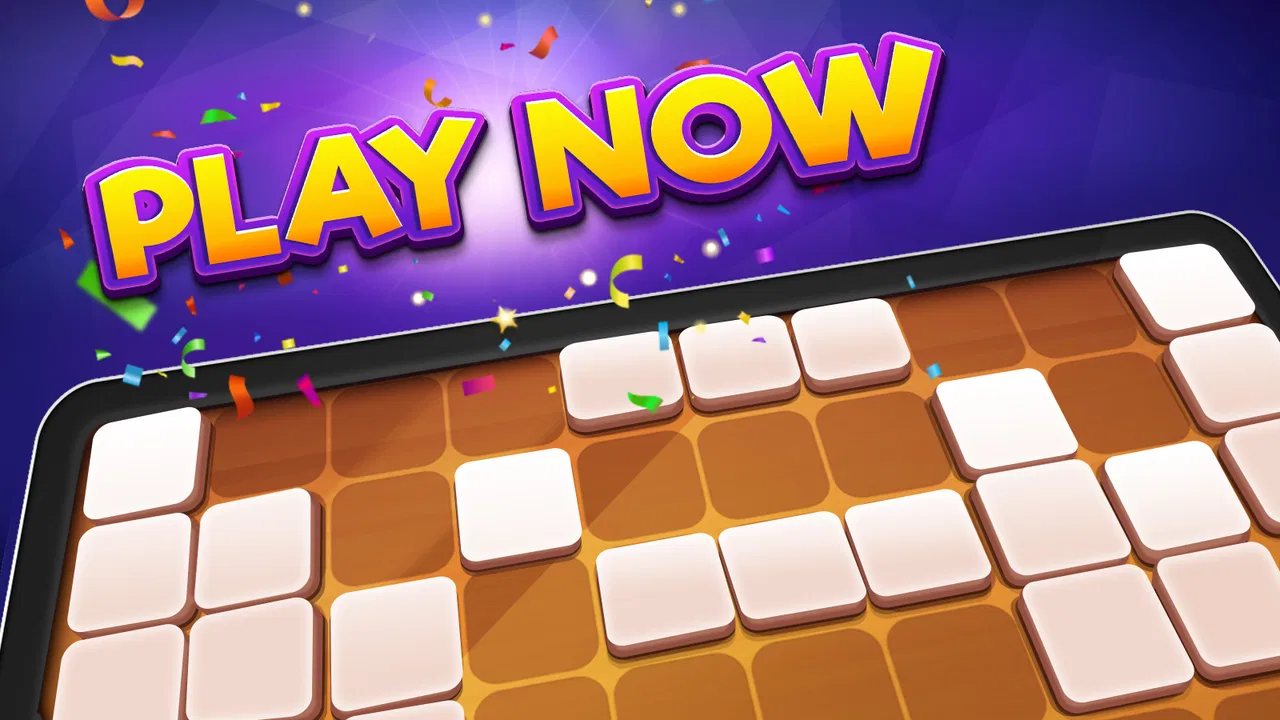
The first few moments communicate the game’s priorities clearly. This is not a puzzle that tries to distract me with a busy interface. The wooden presentation puts emphasis on the pieces and the empty spaces between them, which is important because the whole challenge depends on seeing possible placements before the board becomes crowded. The theme is simple, but it gives the otherwise abstract shapes a tactile suggestion, almost like handling small pieces on a tabletop.
That choice affects how I read the board. Bright, highly saturated puzzle games often make every move feel urgent, even when no timer is present. Here, the wooden identity creates a slower mental pace. I still have to think ahead, but I do not feel pushed into making a move just because the screen is visually loud. For short sessions, that distinction matters. I can play while taking a break, waiting for an appointment, or winding down in the evening without feeling as if I have started a demanding competitive match.
The opening experience is also a good example of the game’s restraint. The central rule can be understood through play rather than a long explanation: match blocks, clear useful space, and avoid filling the grid. That simplicity is a strength for someone who has never played this type of puzzle. It also means experienced players will recognize the format quickly and can begin making meaningful choices almost immediately.
There is a trade-off. Players who expect a strong sense of discovery may find the first impression modest. The game’s appeal comes from refining decisions inside a familiar puzzle framework, not from revealing a large fictional world or introducing a stream of surprising mechanics. I would recommend it to someone who values clean interaction and repeatable challenges more than spectacle.
What the wooden presentation adds
The art direction is not merely decoration placed around a standard grid. It gives the pieces a consistent identity and helps the board feel like one object rather than a collection of unrelated interface elements. That coherence makes the game easier to settle into. I notice the shape of the available space first, then the pieces that might fit, instead of being pulled toward unrelated visual effects.
This is especially useful when I play in short bursts. A game with an instantly recognizable visual language is easier to resume because I do not need to remember a complicated menu structure or a chain of objectives. I can return to the board and immediately understand what needs attention. The wooden look supports that practical quality by making the experience feel stable and familiar.
At the same time, the style may not satisfy players who want a constantly changing visual reward. If you need elaborate environments, character animation, or a strong sense of progression expressed through art, this game is intentionally limited. Its mood is built from consistency rather than variety. That is a good fit for concentration, but a weaker fit for players who use puzzle games mainly for visual stimulation.
The world language: a small setting with a clear purpose
Wooden Puzzle Bliss does not present a conventional story world, and I think that is the right decision for this format. Its setting is communicated through material, color, and arrangement rather than characters or plot. The wooden pieces suggest a physical puzzle surface, while the uncluttered board keeps the imagined setting close to the action. There is no need for a separate narrative layer when the central pleasure comes from arranging shapes and protecting open space.
I found this visual language effective because it gives the game a recognizable mood without competing with the puzzle. Every decorative choice has to leave room for quick shape recognition. If the pieces were too ornate, the theme would become an obstacle. Instead, the presentation stays close enough to the geometry that I can appreciate the style and still make decisions quickly.
That balance becomes more important as the board grows difficult. A player needs to distinguish occupied cells, open areas, and possible placements at a glance. The game’s strongest artistic decision is therefore its restraint: the theme supports the board rather than asking the board to support the theme. I would not describe the setting as deep, but I would describe it as coherent.
For a player choosing between this and a more decorative puzzle alternative, the decision comes down to attention. If you want the screen to feel like a calm workspace for spatial thinking, the wooden treatment is a genuine advantage. If you prefer puzzles framed by characters, changing locations, or a narrative reason to continue, a story-driven puzzle game will probably offer more emotional variety.
How I use the visual cues while playing
One useful habit is to scan the empty grid before looking for the most obvious match. The game’s presentation encourages that order because the open board is visually calm. I first identify spaces that could accept awkward shapes, then consider whether a simpler placement would leave those spaces unavailable later. This is more reliable than placing the first piece that appears to fit.
I also try not to treat a nearly full row or area as automatically good news. Clearing space matters, but a move that creates a narrow, unusable remainder can be worse than a slower placement that preserves flexibility. The wooden style makes this kind of planning feel almost physical: I imagine which pieces could still fit into the remaining gaps instead of thinking only about immediate matches.
That is one of the game’s less obvious strengths. Its atmosphere invites a relaxed approach, but the board rewards careful forecasting. The calm presentation does not make the decisions shallow; it simply removes some of the pressure that can hide them.
Sound and rhythm: why the quiet mood matters
The overall presentation works because the game’s rhythm is not built around constant interruption. The experience feels suited to a measured sequence of looking, placing, checking the result, and looking again. That rhythm supports the central puzzle better than a frantic pace would. I can concentrate on the consequences of a move rather than reacting to a stream of unrelated events.
Sound plays an important supporting role in that kind of design. In a block puzzle, audio should confirm interaction without becoming the reason to keep playing. The coherent mood here depends on the same principle as the art direction: feedback should make the board feel responsive while leaving the player’s attention on spatial planning. I appreciate that the game’s identity is not based on turning every successful placement into an oversized celebration.
The pacing also makes it suitable for different everyday situations. I can play a few moves during a short pause, stop without feeling that I have abandoned a complicated mission, and return later with the rules still clear. That is a better fit for casual mobile use than a puzzle that requires a long uninterrupted session before a level makes sense.
There is a limit to this relaxed rhythm. Players who need strong escalation may eventually find the mood too even. A game that remains focused on the same core loop can feel repetitive if you are looking for dramatic changes in tempo or presentation. I would choose it for concentration and decompression, not for adrenaline.
A realistic everyday session
Imagine finishing a commute and having ten minutes before the next task. I would open the game, inspect the current arrangement, and make a few moves with the goal of preserving a broad central area rather than chasing an immediate clearance. If an awkward piece appears, I would use the available space to prepare for it instead of spending every move on the easiest match. When the break ends, I can put the phone away without needing to remember a story beat or a multi-step objective.
That scenario explains the game’s practical appeal better than its store summary does. It is not just that the rules are simple; the whole presentation supports interruption and return. The board asks for attention, but not for a large time commitment. For people who want a puzzle that can occupy a small gap in the day, that is a meaningful advantage.
Mechanical fit: simple rules, real consequences
The mechanical core is easy to describe but less easy to master. Matching blocks is only half the task. The other half is refusing to fill the grid with placements that look acceptable in isolation. Each move changes the shape of the remaining space, so a decision that clears something now may create a troublesome pocket afterward.
I like that the game’s challenge comes from board management rather than from complicated controls. There is little to learn mechanically, which lets the difficulty come from judgment. The important questions are practical: Which area should remain open? Which piece is hardest to place? Is a quick match worth losing flexibility? Those questions give the game more depth than its gentle appearance initially suggests.
The best way to play is to think in terms of future options. I avoid building long, thin gaps unless I already have a likely way to use them. I also resist filling corners too early when doing so would divide the board into disconnected pockets. These are not flashy techniques, but they make a noticeable difference because the game’s central failure condition is caused by poor space management rather than a lack of speed.
Another useful approach is to separate progress from safety. A move can produce a satisfying match while still making the next several turns worse. I often compare two possible placements by asking which one leaves more types of empty space. The safer option is not always the one that clears the most immediately. This makes the game a good fit for players who enjoy quiet optimization instead of reflex challenges.
Where it compares well with familiar alternatives
Compared with a traditional falling-block game, this experience feels less dependent on rapid reactions. The focus is on placement and foresight rather than rotating pieces under pressure. That makes it easier to play casually and more comfortable for someone who dislikes losing because a moment of hesitation caused a stack to rise too quickly.
Compared with match-three games, the satisfaction is less about creating chains and more about managing geometry. You are not simply searching for a colorful group that disappears; you are protecting the structure of the board. Players who enjoy planning several moves ahead may prefer this approach, while players who want frequent cascades and immediate visual rewards may find a conventional match-three game more exciting.
Compared with minimalist grid puzzles, the wooden presentation gives this game a warmer identity. A purely abstract alternative may be better if you want maximum visual clarity or a more severe, mathematical feel. Wooden Puzzle Bliss instead softens the experience without removing the need to think. That combination is its clearest point of difference.
The trade-off is variety. A game centered on one recognizable board loop may not offer the same sense of progression as a puzzle adventure with distinct stages, characters, or changing rules. If your main reason for playing is to unlock new systems, this is probably not the best choice. If your reason is to return to a familiar spatial challenge whenever you have a few minutes, it makes more sense.
Who should play, and who should skip it
I would recommend it to casual puzzle players, fans of block placement, and anyone who likes a calm game that can be played in short sessions. It is also a reasonable choice for households looking for an Everyone-rated game with rules that can be understood quickly. The gentle visual identity may appeal to players who find aggressively animated puzzle interfaces tiring.
I would skip it if you need a strong narrative, competitive pressure, or constant mechanical surprise. It is not the right substitute for a fast arcade puzzle when you want immediate reactions and escalating urgency. It may also disappoint players who expect every session to introduce a new objective or a new environment.
The free entry point makes trying it easy, but I would still pay attention to the purchase prompts and decide in advance whether you want to spend money on optional items. The game works best when the player treats purchases as a personal choice rather than as part of the reason to continue. If you prefer a completely uninterrupted puzzle experience with no commercial friction, another option may feel cleaner.
Atmosphere verdict: a focused puzzle with a steady pulse
Wooden Puzzle Bliss succeeds because its parts agree with one another. The wooden art direction makes the board feel approachable, the setting stays close to the act of arranging pieces, and the measured rhythm gives each decision room to matter. None of these elements overwhelms the mechanics. Instead, they create a consistent mood around a simple but genuinely thoughtful space-management challenge.
My main reservation is also connected to that consistency. The game does not appear designed to reinvent itself every few minutes. Its pleasure comes from returning to the same type of problem and becoming better at reading the board. That can be satisfying for a patient player, but repetitive for someone who needs frequent novelty. The lack of urgency is a benefit during a break and a possible weakness during a long session.
The current version is 1.13.0, and the game has been available since June 28, 2022. Those details place it as an established mobile puzzle rather than a brand-new experiment, but the more important point is that its identity is already clear. It knows what kind of experience it wants to provide: a free, accessible block puzzle wrapped in a warm visual mood.
My recommendation is straightforward: choose Wooden Puzzle Bliss when you want calm concentration with enough strategic tension to keep the board interesting. I would install it for short breaks, quiet evenings, or those moments when I want to think without committing to a larger game. I would look elsewhere for story, speed, or dramatic variety. For the right player, though, the restrained art, steady rhythm, and careful grid management make Wooden Puzzle Bliss more satisfying than its simple premise first suggests.
FAQs for Wooden Puzzle Bliss
01What is Wooden Puzzle Bliss?
Wooden Puzzle Bliss is a relaxing puzzle game centered on arranging, matching, or fitting wooden-style pieces into completed designs. Its presentation is aimed at players who enjoy calm gameplay rather than fast action, with simple controls and progressively more challenging levels. The exact puzzle mechanics may vary between modes, so new players should explore the available boards and objectives before starting a longer session.
02Is Wooden Puzzle Bliss suitable for beginners and children?
The game is generally easy to approach because its controls and visual design are uncomplicated. Beginners can usually understand the basic objective after trying a few levels, while the gradual increase in difficulty provides additional challenge for experienced puzzle fans. Parents should still review the age rating, advertising content, and any in-app purchase options before allowing younger children to play independently.
03Does Wooden Puzzle Bliss work without an internet connection?
Some parts of Wooden Puzzle Bliss may be playable offline, which is convenient when traveling or when mobile data is unavailable. However, features such as advertisements, cloud synchronization, updates, leaderboards, or promotional content may require an internet connection. Availability can also depend on the version installed, so it is best to test the game offline after downloading it rather than assuming every feature will work.
04Are there advertisements or in-app purchases in Wooden Puzzle Bliss?
Before downloading, users should check the store listing for the current advertising and purchase information. Puzzle games in this category commonly include optional purchases, such as removing advertisements, unlocking content, or obtaining hints, and may also display ads between levels. You can usually play without spending money, but purchase settings and parental controls are recommended if children use the device.
05What devices are compatible with Wooden Puzzle Bliss?
Compatibility depends on whether you download the Android or iOS version and on the operating system requirements published by the developer. The game should run best on relatively modern devices with sufficient free storage and updated system software. Older phones or tablets may experience slower loading, reduced visual performance, or limited support, so verify the app-store requirements before installation.
Pros
- Relaxing gameplay suitable for short breaks or longer sessions.
- Simple controls make it accessible for players of different ages.
- Wooden visual style creates a warm
- pleasant atmosphere.
- Puzzles help encourage spatial thinking and pattern recognition.
- Works well as a casual game without requiring fast reactions.
Cons
- Some levels may feel repetitive after extended play.
- Difficulty progression can be uneven between puzzle stages.
- Hints or extra features may be limited without optional purchases.
- Small pieces can be difficult to distinguish on smaller screens.
- The game may offer little appeal to players seeking action or story.

Wooden Puzzle Bliss
Gallery